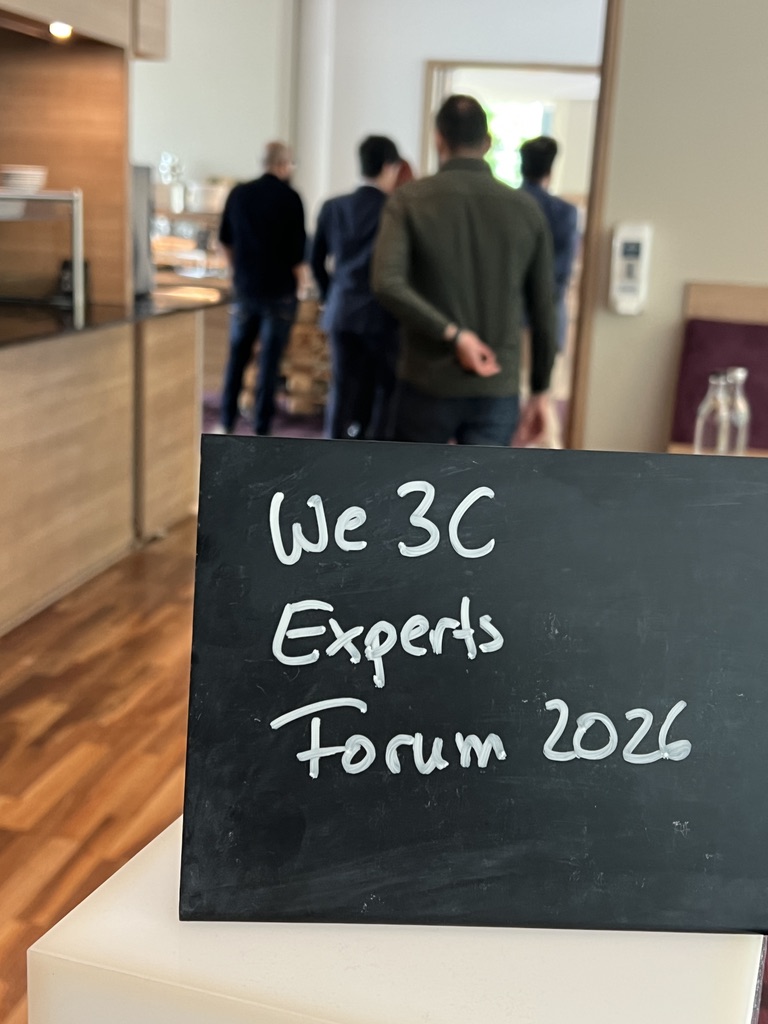
21 May 2026 | Berlin, Germany
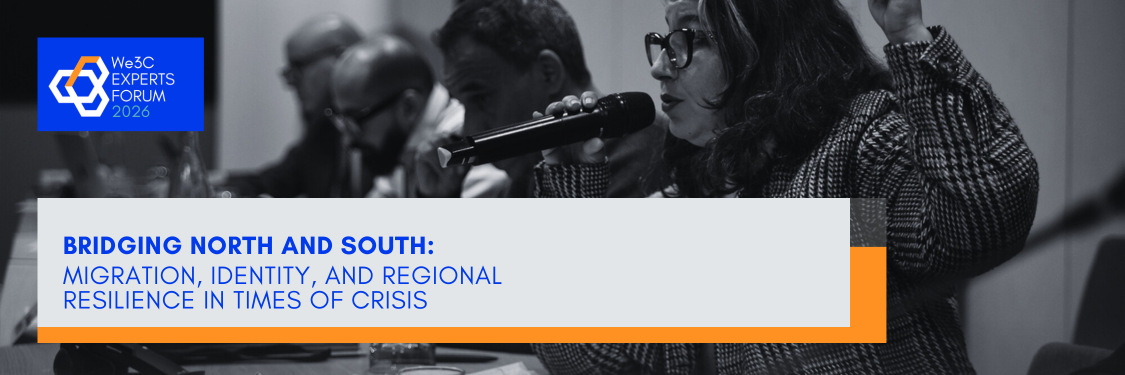
We convened the We3C Experts Forum 2026 in Berlin, bringing together researchers, policy experts, civil society practitioners, educators, and community leaders from across Europe and the wider North-South Mediterranean region. Held under the theme “Bridging North and South: Migration, Identity, and Regional Resilience in Times of Crisis,” the forum created a dedicated space for interdisciplinary dialogue on some of the most pressing political and societal challenges shaping the region today.
Against a backdrop of geopolitical instability, forced displacement, increasingly securitized migration governance, democratic backsliding, and shrinking civic space, the forum sought to move beyond fragmented debates by connecting perspectives from security policy, migration research, civic education, and civil society practice. Throughout the day, participants engaged in critical discussions on how democratic societies can respond to complex crises while upholding human rights, strengthening social cohesion, and fostering resilient communities.

KEY OUTCOMES
- Strengthened interdisciplinary dialogue between researchers, policymakers, civil society organizations, educators, and practitioners from Europe and the North–South Mediterranean region.
- Established a shared understanding that migration, security, democracy, and social cohesion must be addressed through integrated and rights-based approaches rather than isolated policy frameworks.
- Identified the limitations of increasingly securitized migration governance and highlighted the need for governance models that balance security with human rights, democratic accountability, and international legal standards.
- Reinforced the importance of civil society as a key actor in democratic resilience, conflict prevention, community engagement, and social cohesion.
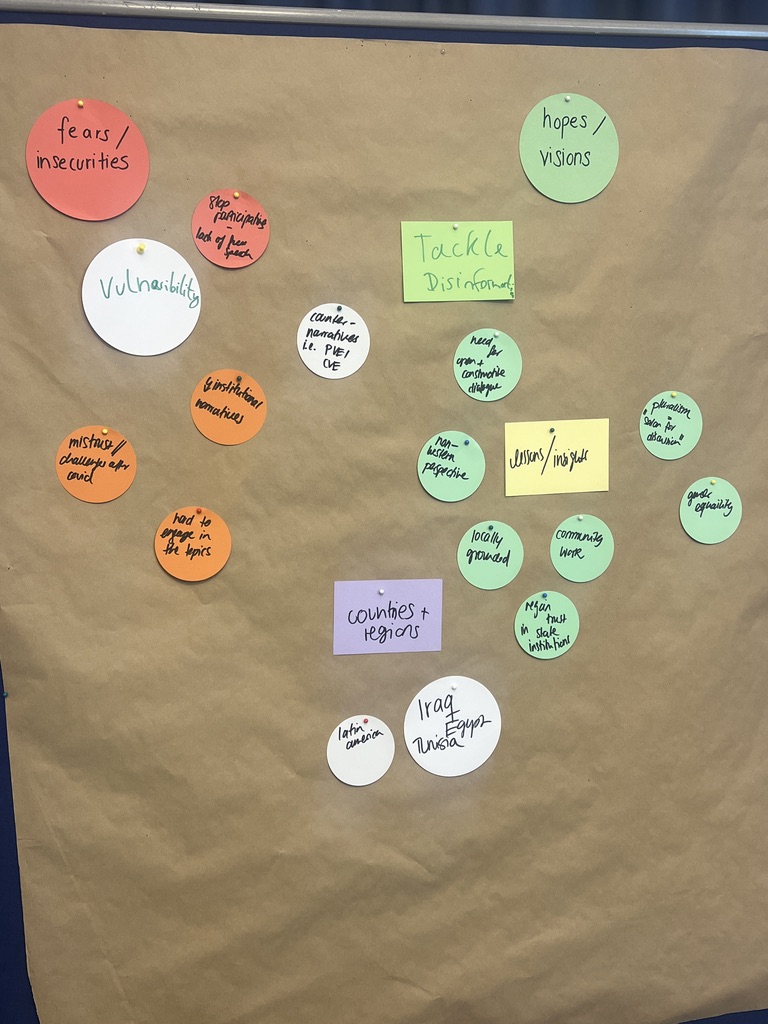
- Highlighted the growing impact of shrinking civic space, political polarization, and disinformation on democratic participation and community work.
- Strengthened cross-regional networks and identified opportunities for sustained cooperation beyond the forum.
- Initiated discussions on future joint policy briefs, recommendations for action, collaborative research, and thematic working groups.
- Promoted greater exchange between security experts and civil society practitioners, recognizing their complementary roles in addressing contemporary crises.
- Emphasized the importance of investing in civic education, youth engagement, and community-based approaches as long-term strategies for democratic resilience.
- Identified practical approaches for improving cooperation between academia, civil society, and public institutions.
HIGHLIGHTS
-
- Opening remarks by Lisa Sebold emphasizing the need for new forms of transnational and interdisciplinary collaboration.
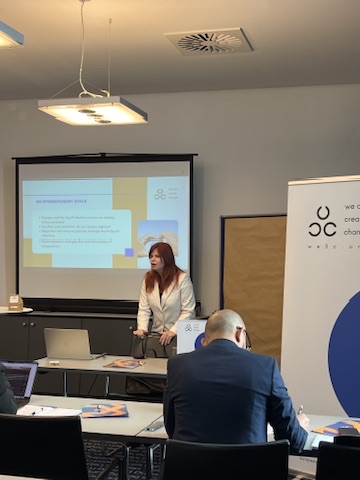
- Expert keynote by Dr. Désirée Kaiser on geopolitical developments, regional security, and shrinking civic spaces across Europe and the MENA region.
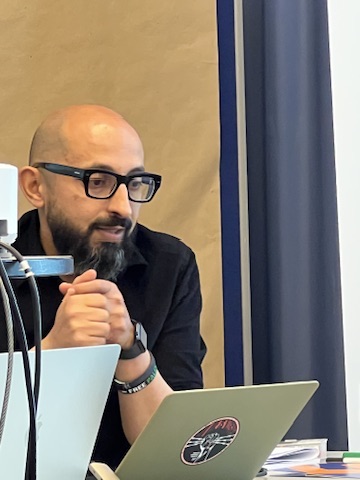
- Expert input on migration by Majdi Karbai on migration governance, focusing on externalization, securitization, and democratic accountability.
- Interactive panel discussion featuring Shiraz Maysum, Reza Abdi, and Naoko Tamura, presenting practical civil society responses to polarization, disinformation, and community fragmentation.
- Rich exchange between participants from diverse professional backgrounds, fostering cross-sector learning and collaborative reflection.
- Engaged plenary discussion exploring the balance between security, fundamental rights, and democratic governance.
- Strong focus on translating analysis into practical recommendations and future collaboration.
- Networking sessions that facilitated new partnerships across research institutions, civil society organizations, and community initiatives.
- Broad consensus on the need for stronger transnational cooperation and sustained dialogue between Europe and the South Mediterranean.
- Commitment from participants to continue collaboration through follow-up events, policy development, and joint initiatives under the We3C Europe network.